
If you’re pushing solar solutions across Africa, especially in South Africa, you know the residential side is exploding right now. Forget the glossy brochures — homeowners here aren’t chasing eco-credentials; they’re desperate for something that actually kills load-shedding anxiety, slashes those brutal Eskom bills, and doesn’t crap out after a couple of hot summers.
Most buyers fall into two camps: the “just get me through stage 6 without losing my fridge” crowd, and the longer-term types who want near energy independence and decent payback over 10–15 years. Your pitch has to nail which one they’re in — no generic “solar is great” nonsense.
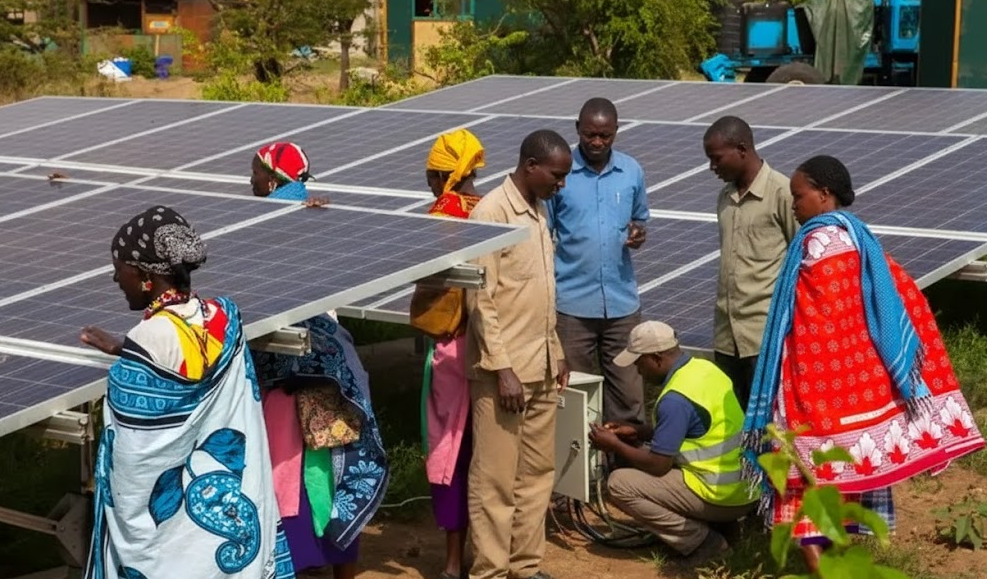
What really matters when picking panels for SA roofs
Homeowners might not throw around terms like “temperature coefficient,” but they’ll notice when output tanks on a 38°C day.
- Efficiency vs price trade-off — Monocrystalline panels pushing 21%+ efficiency win on smaller, tricky roofs (think Joburg townhouses or Cape flats). If there’s plenty of space in the suburbs or estates, solid polycrystalline or standard mono can still make sense and save thousands upfront. The math is simple: calculate lifetime kWh yield against install cost.
- Built for local hell — Intense UV, 40°C+ roof temps in summer, hail in Gauteng, coastal salt spray. Go for panels with beefy aluminum frames, anti-PID tech, and at least 25-year performance warranties (80% output guaranteed). Brands that have been through a few SA summers without mass failures build trust fast.
- Temperature coefficient — This one’s huge here. Panels lose power as they heat up — a coefficient of -0.3%/°C or better keeps output higher when the roof’s baking. The difference between -0.3% and -0.4% can be 5–10% more daily energy in peak summer. Don’t sleep on it.
- Brand + local backup — People want names they recognize and suppliers who actually answer the phone. Good local distribution, quick warranty claims, and installers who know NRS 097 compliance matter more than fancy specs on paper.
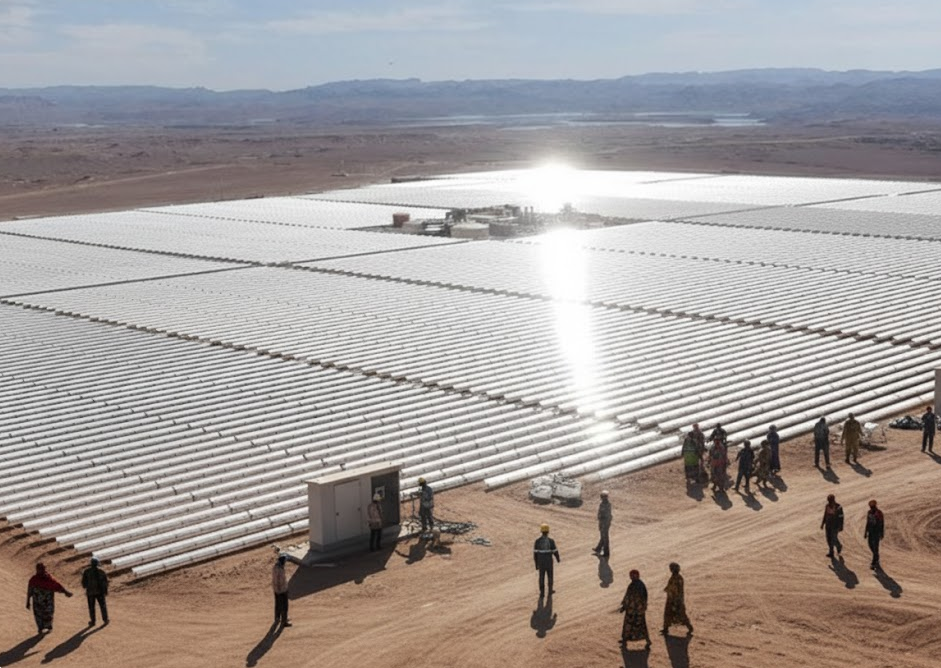
The brands that actually deliver in SA homes right now (2025/2026 reality)
From what installers and real users are running:
- Canadian Solar & Jinko Solar — The reliable daily drivers. Widely stocked, strong warranties, and they just keep performing year after year without drama. Great for most average homes where you want solid value without overpaying.
- LONGi & Trina Solar — When efficiency is king (small roof, max output needed), these two dominate. Their newer mono lines (Hi-MO series, Vertex) squeeze more power out of the same space and handle our heat pretty well.
- SunPower / Maxeon — Premium play. Best degradation rates, highest efficiency, and they look sleek. Worth it for clients who want top-tier and plan to stay put 15+ years — the extra upfront cost pays back in longevity and output.
- ARTsolar (local) — Don’t overlook them. Made in SA, quicker stock turnaround, and they appeal to buyers who like supporting local. Cell tech is solid (often Tier-1 equivalent), just double-check the warranty chain.
The full system is what actually works (not just the panels)
Too many deals fall apart because someone sold shiny panels and forgot the rest.
- Hybrid inverters rule — SunSynk, Deye, Victron — these handle the grid-tied + battery + backup dance perfectly. Seamless switch during load-shedding (under 10ms), app monitoring, and they play nice with most panels. This is what 90% of new installs need in 2026.
- Batteries — LiFePO4 is the only sensible choice now. Hubble, Pylontech, Dyness — size for 4–8 hours of essentials (don’t oversize and waste money). Most people start with 5–10 kWh and add later.
- Install quality — A bad roof mount or dodgy wiring ruins everything. Stick with certified teams who understand earthing, surge protection, and municipal rules. Your referrals depend on it.
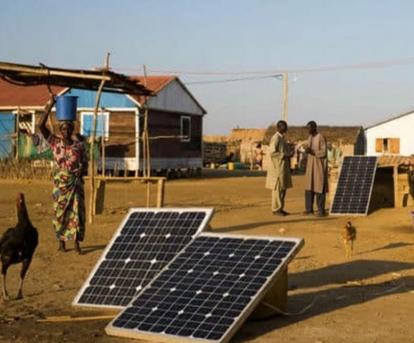
Bottom line: South African homeowners are buying insurance against blackouts and price hikes. Sell them a reliable, tailored system that quietly saves money and keeps lights on — not just hardware. Be straight about payback (usually 5–8 years with batteries), size it right, and back it with real support.
Do that consistently, and you’ll have more word-of-mouth than you can handle. That’s how you win in this market.