
When people talk about going solar, most of the attention goes straight to the panels on the roof. They’re visible, they look high-tech, and they’re easy to understand. But in reality, there’s another piece of equipment that matters just as much,if not more,and it usually gets ignored.
Think of it this way: if solar panels are the muscles of your system, the solar inverter for home use is the brain.
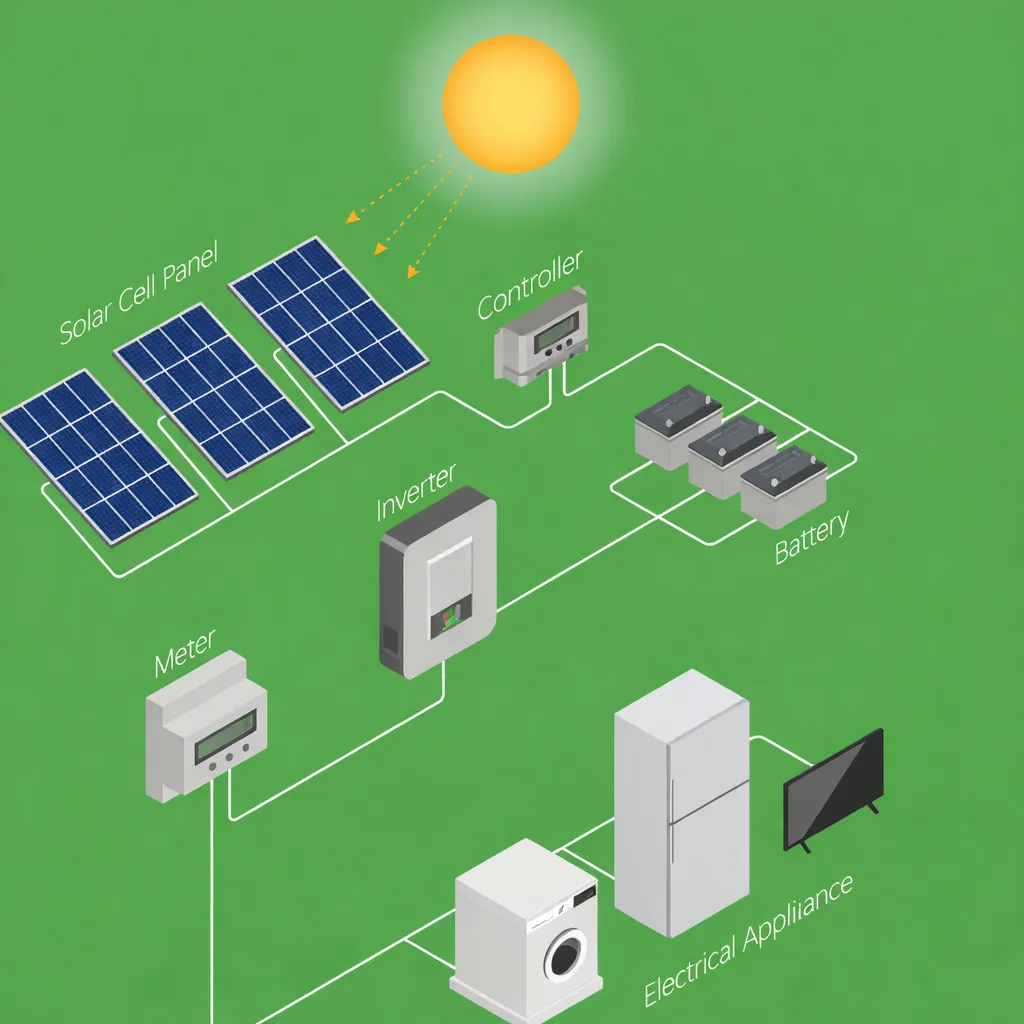
Solar panels generate electricity, but that electricity isn’t ready to be used. Panels produce DC power, while everything in your home—from your refrigerator to your phone charger—runs on AC power. The inverter is what converts that energy into something your home can actually use. Without it, the power your panels produce is basically unusable.
That’s why choosing the right inverter isn’t just a technical detail. It directly affects how much energy you can use, how stable your system is, and how much money you save over time. A poorly matched inverter can limit performance, waste potential solar power, and even cause problems as your energy needs grow,especially if you plan to add batteries later.
With electricity prices rising and home energy systems becoming more advanced, picking the right solar inverter for home use has become a long-term decision, not a small accessory purchase. The right choice can save you thousands over the life of your system. The wrong one can hold everything back for years.
In this guide, we’ll cut through the jargon and explain home solar inverters in plain language. Whether you’re aiming for a simple, cost-effective setup or a more advanced system with battery backup and energy independence, you’ll be able to understand your options and choose the inverter that actually fits your home and your lifestyle.
Which Solar Inverter Is Right for You?
Every home is different, so there’s no one-size-fits-all solar inverter. Your roof design, budget, and long-term energy goals all play a role in the decision. As of 2025, most home solar systems fall into one of the following three categories.
1. String Inverters: The Most Common and Cost-Effective Option
This is the most widely used setup for residential solar. Multiple panels are connected together in a series and linked to a single, centralized inverter.
Best for:
Homes with simple roof layouts, minimal shading, and panels facing the same direction.
Pros:
Lower upfront cost, straightforward maintenance (the inverter is usually installed on a wall or at ground level), and proven, reliable technology.
Cons:
It has a “weakest link” problem. If one panel is shaded by a tree or chimney, the output of the entire string drops.
2. Microinverters: Better Performance on Complex Roofs
With microinverters, each solar panel has its own small inverter, typically mounted directly beneath the panel.
Best for:
Roofs with multiple angles, partial shading, or panels facing different directions.
Pros:
Each panel works independently, so shading on one doesn’t affect the others; higher overall energy output; panel-level monitoring; and longer warranties, often up to 25 years.
Cons:
Higher initial cost and a more complex rooftop installation. Repairs can also be less convenient since the equipment is on the roof.
3. Hybrid Inverters: Built for the Future
Hybrid inverters are designed to manage power from solar panels, the grid, and home battery storage at the same time.
Best for:
Homeowners planning to add batteries, reduce reliance on the grid, or keep power during outages.
Pros:
Easy battery integration; allows you to use stored energy when electricity prices are high; provides backup power during blackouts; and offers better flexibility for future upgrades.
Cons:
More expensive than standard string inverters. If you only need a basic grid-tied system, this option may be more than you need.
Bottom line:
If your goal is simply to lower your electricity bill and your roof conditions are good, a string inverter is often enough.
If your roof is more complicated, microinverters can save you a lot of efficiency loss.
If you’re thinking long term—batteries, outages, and energy independence—a hybrid inverter is usually the smarter investment.
| Feature | String Inverters | Microinverters | Hybrid Inverters |
| Typical Cost | $100 (Lowest) | $300(Highest) | $600 (Mid-High) |
| Efficiency | High (in full sun) | Maximum (in all conditions) | High (with battery management) |
| Shade Tolerance | Low | Excellent | Depends on system design |
| Battery Ready? | No (requires extra equipment) | Yes (AC-coupled) | Yes (Built-in) |
| Ideal For | Budget-conscious homeowners | Complex or shaded roofs | Energy independence & backup |
Five Key Factors to Consider Before Buying a Solar Inverter
Choosing a solar inverter for home use isn’t just about the type; it’s about the specifications. To ensure your system performs optimally for the next 10 to 15 years, pay close attention to these five metrics:
1. Efficiency (The Higher, The Better)
Inverter efficiency refers to how much DC electricity is lost during the conversion to AC. Most modern high-quality inverters offer an efficiency rating between 97% and 99%. Even a 1% difference can result in significant energy loss over the system’s lifespan.
2. Power Capacity and Sizing
Your inverter’s capacity (measured in kW) must match your solar array’s output. A common rule of thumb is the “Inverter-to-Solar Ratio.” Usually, the inverter is sized slightly smaller than the total wattage of the panels (e.g., a 5kW inverter for a 6kW panel system) to ensure it operates at peak efficiency more often—a practice known as “oversizing.”
3. Ingress Protection (IP Rating)
Where will your inverter be installed? If it’s going outside, you need a high IP rating (typically IP65). This ensures the device is protected against dust, rain, and extreme temperatures. For indoor installations, noise levels (measured in dB) become a more important factor.
4. Monitoring and Smart Features
Modern homeowners want data at their fingertips. Look for inverters that come with a robust mobile app or web portal. This allows you to track real-time energy production, monitor battery levels (if applicable), and receive alerts if the system requires maintenance.
5. Warranty and Local Support
A solar inverter is a long-term investment. Most reputable brands offer a 5 to 10-year standard warranty, with options to extend it to 20 or 25 years. Crucially, check if the brand has a local service center in your region to avoid long downtimes during repairs.